Save a Life Campaign
Revitalizing primary healthcare facilities, equipping rural clinics, providing essential drugs, and giving hope to vulnerable communities across Nigeria.
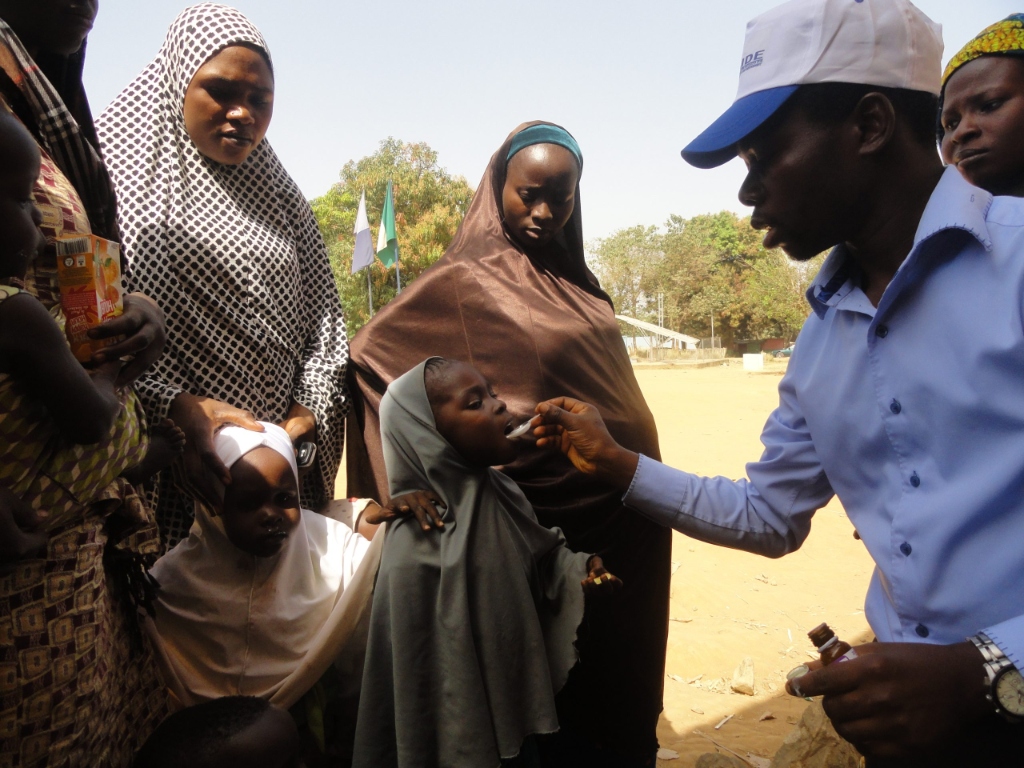
#Athousand Campaign
₦1,000 micro-donations to save a thousand lives
“Save a Life Campaign”
“Save a Life Campaign” is a health intervention project targeted at the vulnerable rural population through the primary healthcare sector in Nigeria, born out of the dire need for proper healthcare services by equipping the facilities, administrative training, and social support initiatives.
In Nigeria, health is rarely seen as a fundamental human right by policymakers. Increasing investment in the health of the people has been an ongoing challenge for decision makers, in spite of extensive evidence demonstrating the direct link between population health and sustainable economic development.
Facility Equipping
Essential diagnostic tools & emergency kits
Drug Supplies
Consistent pharmaceutical delivery
Primary Healthcare Sector in Nigeria
The primary health care (PHC) facility is often all that rural communities have in the form of a formal health system. Why are millions left without basic care, and how do we resolve this systemic crisis?
Only 20% Functional
The current state of the PHC system in Nigeria is appalling, with only about 20% of the 10,000 PHC facilities across the country actively working. Most lack capacity for essential healthcare services, suffering from poor staffing, broken infrastructure, and zero drug reserves.
Governance & PHCUOR
Problems trace back to the 1980s handover to local government administration. While the PHC Under One Roof (PHCUOR) policy of 2011 aimed to reduce fragmentation under a single authority, its impact remains unrealized, leaving primary clinics starved of resources.
Hospital Influx
Inability of PHC centers to provide basic first-line care forces patients to overwhelm secondary and tertiary teaching hospitals. This vicious cycle will continue unless civil society intervenes directly at the grassroots level.
Quality of Supervision Matters
“How then do we improve the quality of care when attention has consistently been on expanding the reach of PHC services to rural populations and hardly on quality of services? The presence of a PHC facility does not guarantee its use and there is a wrong assumption that a minimal level of input (i.e. infrastructure and staff) is essential before one can discuss quality.
Even when quality becomes a real issue, it is often about equipping and supervision; but supervision is a poor proxy for quality. The quality of supervision itself is what matters. Handled poorly, this becomes a vicious circle: poor supervision results in low quality of services and low quality of services set a low standard for supervision.”
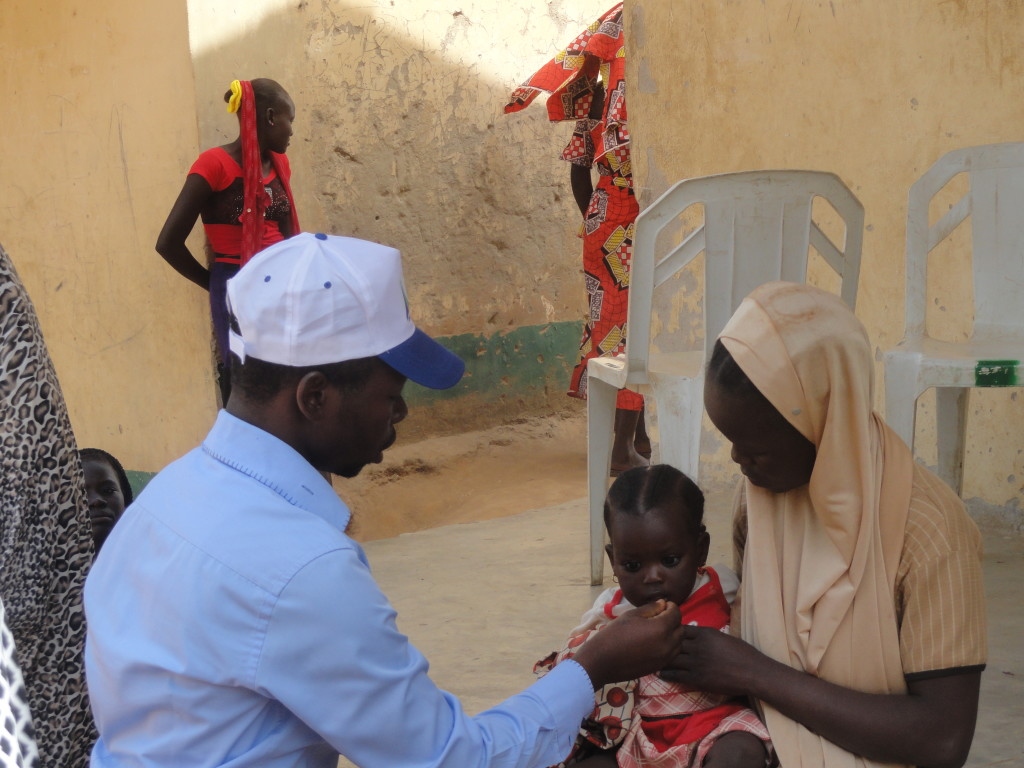
Campaign Strategy & Outreach
The “Save a Life Campaign” strategy is a public-driven support system through public donations, grants, and sponsorship which partly consists of a minimum amount of ₦1,000 from individuals tagged #Athousand to save a thousand lives.
Equip Facilities: Procure critical diagnostic tools, examination tables, thermometers, BP monitors, and sterilization equipment.
Essential Drugs Supply: Stock and continuously replenish high-demand drugs, malaria treatments, maternal vitamins, and pediatric medicines.
Social Support Services: Provide direct welfare assistance to indigent pregnant women, nursing mothers, and elderly patients.
Government & Private Interventions: Bridge institutional partnerships between healthcare providers, donors, and regulatory bodies.
Maiden Edition Launch
The maiden edition of the campaign launched at Waru PHC within Abuja Municipal Area Council (AMAC) in the outskirts of the Federal Capital Territory, Abuja — providing vital healthcare services to 3,000 – 4,000 manual labour workers and settlers.
Sustainable Framework & Accountability
How we ensure every naira donated translates into verifiable medical care, sustained drug inventories, and long-term community transformation.
Dedicated M&E Department
In an effort to sustain the campaign, AIDE developed a specialized Monitoring & Evaluation (M&E) department to ascertain the proper utilization of provided medical equipment and ensure documented dissemination of drugs.
This guarantees that capital invested is converted into consistent, non-depleting drug supplies to the primary healthcare centers over time.
Community Accounting Structure
A rigorous accounting and audit structure has been instituted to eliminate misappropriation of funds, diversion, or looting.
By actively involving local community members in oversight and distribution, the project creates civic participation, local employment, and authentic grassroots ownership.
WHY DONATE?
To ensure that we can continue our work of empowering the unskilled, unemployed and poverty stricken, thereby giving hope to the hopeless and reducing poverty to the barest minimum in our society. AIDE is counting on friends and partners like you to support our work through regular donations in cash or kind.
Your donations matter to millions of poor Nigerians, we welcome your support!
Online Donation
You may donate on-line using any of our secure web services on our website:
Instant & secure online payment
Direct Transfer
For direct transfer, please direct your donation to: